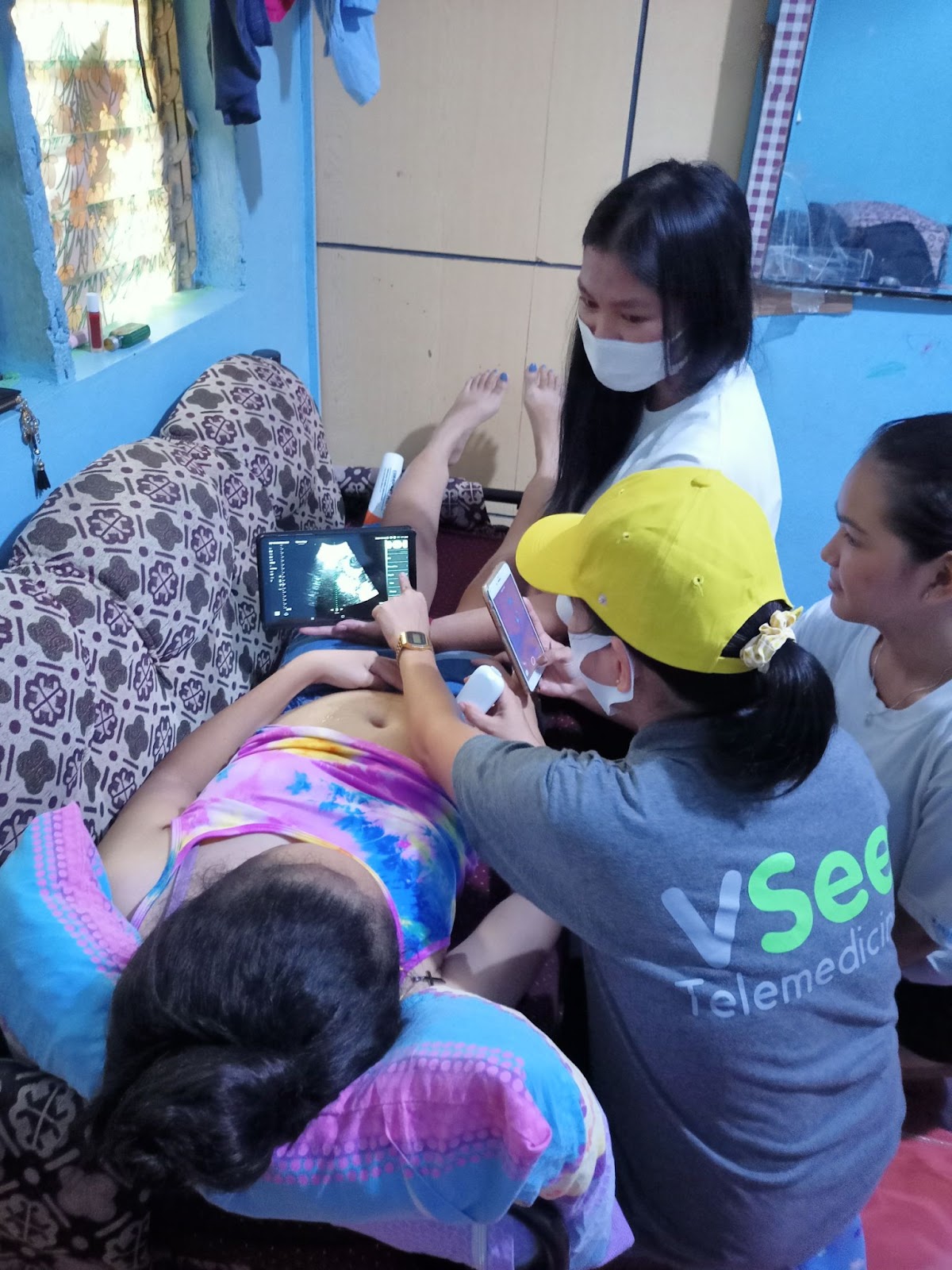
Guiuan is a second class municipality in Eastern Samar that is 154 kms south of Tacloban City. It is the most populous municipality in the province with 52,361 residents. It is located at the southeasternmost tip of the province composed of barangays within the mainland and several islands. The residents’ main sources of income are fishing and farming, with a poverty incidence of 35.6% as of 2023. Their location puts them under constant threat of strong typhoons and storm surges. Guiuan was one of the first municipalities that was hit by Typhoon Haiyan (Yolanda) in 2013.
Good Neighbors International Philippines (GNIP) is currently partnering with 15 barangays in Guiuan. Each barangay has their own health center. Each center has one midwife, at least four barangay health workers, and one barangay nutrition scholar. However, it is observed that many residents proceed directly to the regional health unit (RHU), indicating that the barangay health centers cannot sufficiently support the community’s medical needs. There is also one hospital in the covered area. Another key difficulty they faced was timely collection and submission of check-in data. Currently, data is collected manually with pen and paper and then submitted via snail mail. This regularly resulted in multi-month delays of micro-nutrient shipments and other resources until the field data could be reviewed by government administrators. To combat these delays in assistance, we are launching a digital version of the First 1000 Days Program. This consortium is committed to integrating technology that will improve healthcare access in a sustainable way. Implementing digital health offers numerous benefits that enhance the quality, efficiency, and effectiveness of maternal care and child care delivery.
To combat these delays in assistance, VSee has partnered with the government of Guiuan, Eastern Samar, Good Neighbors, Rotary Club of Paranaque San Dionisio, Rotary Club of Los Altos, Global Telehealth Network, Healthcare Alliance for an Equitable World, SaveTheChildren, Ateneo Medical School, Stanford Children’s Hospital, and Health Tech Without Borders to launch a digital version of the BF1KD program by June 2024. This consortium is committed to integrating technology that will improve healthcare access in a sustainable way. Implementing digital health offers numerous benefits that enhance the quality, efficiency, and effectiveness of maternal care and child care delivery.
.png)
Community healthcare workers will be deployed to conduct door to door surveys of pregnant and lactating mothers with infants to gather general health and socioeconomic data. This data will be pushed into the Philippines government local and national healthcare information exchanges, where it can be securely accessed by patients and health workers from any device. We will also install climate sensors in every family's home to further analyze their health/illness history and the impact of climate change.
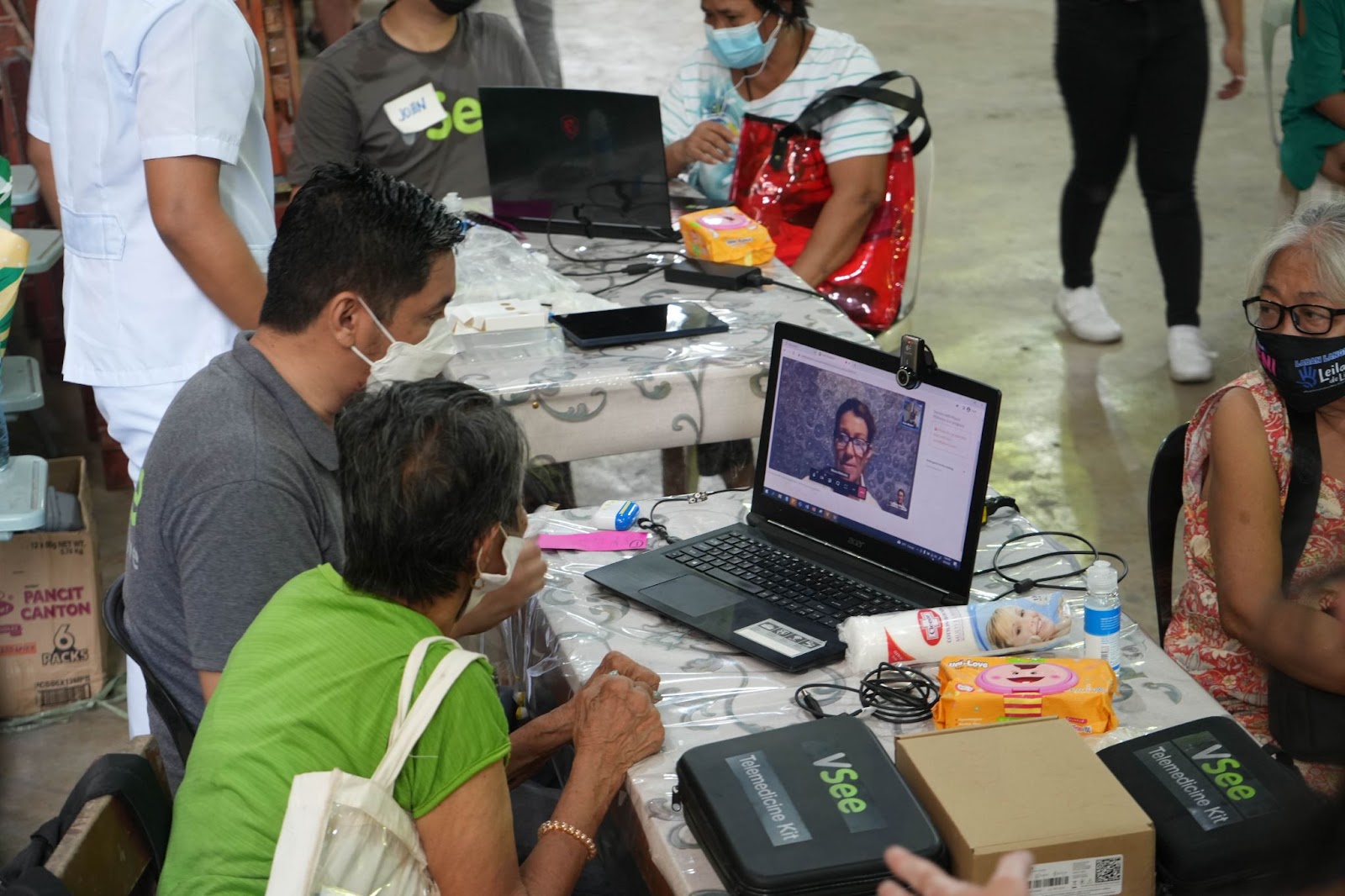
VSee has successfully conducted several local telehealth free clinics which offered both in-person and telehealth consults. We will continue to run and train the barangay health workers and barangay nutrition scholars to run these mixed in-person and telehealth clinics. We will also deploy telemedicine kits to barangay health centers to cater to online consults. Global Telehealth Network and Healthcare Alliance for an Equitable World, are our partners in providing physician online consults from the US and all over the world.
To help address chronic health professionals shortages we will train and deploy an AI nurse chatbot. The chatbot will be able to coach and support community health workers wherever they go to help patients.
In addition to leveraging technology to improve healthcare this project will also provide support for food assistance and public health research.
In order to provide additional basic necessities and assistance to needy mothers and infants, we will also be reaching out to expand our partner network to bring in funding, food, and other essential living supplies.
In parallel with providing care to the local communities, we will assist in collecting healthcare data for research purposes*. Proposed areas of research include:
We expect other research topics and interests to grow from this effort.
*VSee strictly adheres to the Philippines healthcare data privacy rules, and will only provide anonymized data to inquiring research teams.
Our children are our future. Help us make a difference in the lives of malnourished women and children today for a healthier, more productive future for our growing global village. Please consider partnering with us in the following ways to make this project successful:





.png)


